What is a Cherry Picker?
Basic Definition of Cherry Picker
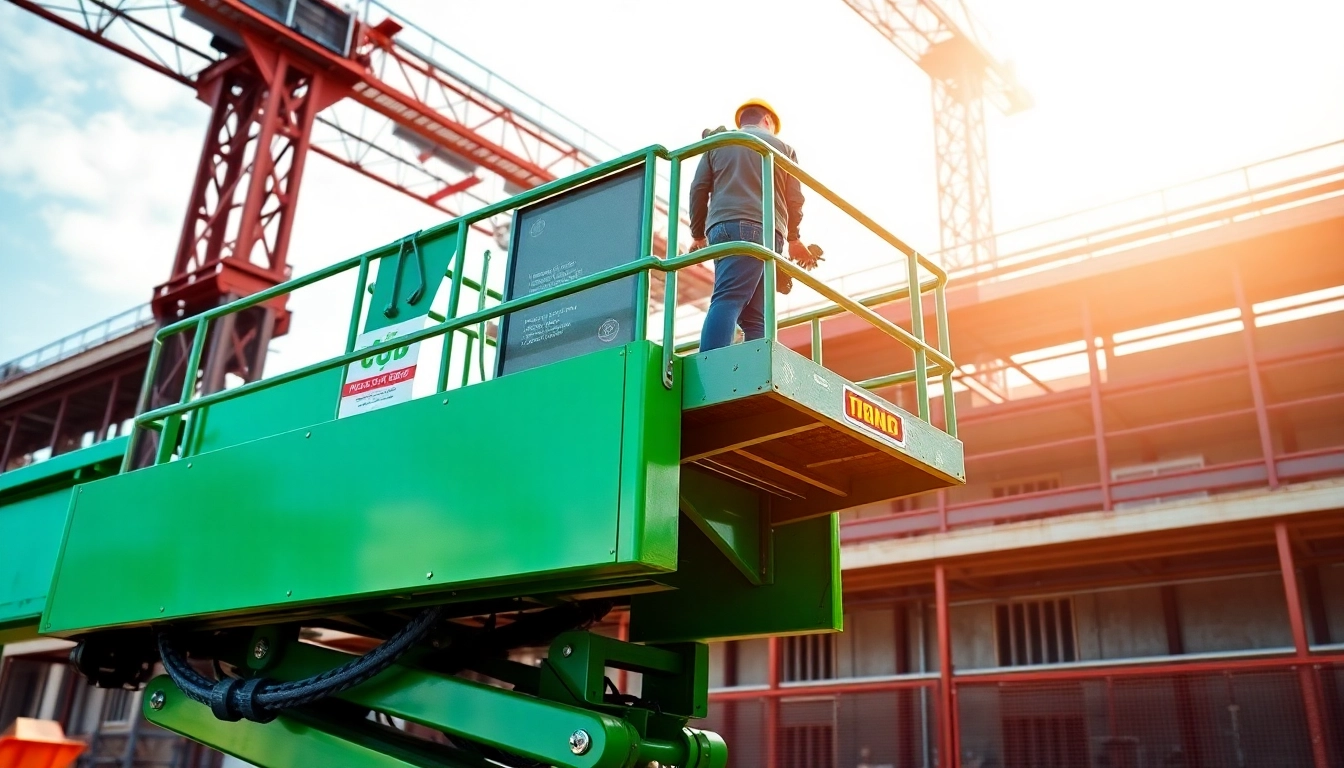
A cherry picker is a type of aerial work platform that provides temporary access to elevated areas. It is designed to lift workers and equipment safely to hard-to-reach locations, making it a critical tool for construction, maintenance, and various industrial operations. Its compact size and versatility allow it to reach heights while maintaining stability, often utilized for tasks like painting, electrical work, maintenance, and more.
How Cherry Pickers Work
Cherry pickers operate using a hydraulic system that allows the operator to control the lift's boom and platform. The mechanism generally includes a platform, a pivoting arm, and a hydraulic lift system. The operator can elevate or lower the platform, extend or retract the boom, and maneuver it in various directions to optimize access to the work area. This versatility allows operators to navigate around obstacles safely and efficiently, making it practical for diverse applications.
Common Applications of Cherry Picker
Cherry pickers play a vital role in various industries due to their ability to reach high places safely. Some common applications include:
- Construction: Used for building maintenance and installation tasks at height, such as roofing or painting.
- Utilities: Essential for electrical and telecommunications work, allowing workers to reach power lines and equipment.
- Maintenance and Repairs: Often utilized for maintaining streetlights, signage, and historical buildings.
- Film Production: Used for capturing aerial shots or lighting setup.
- Tree Care: Arborists use cherry pickers for safe tree trimming and maintenance.
Types of Cherry Pickers Available
Types Based on Design
Cherry pickers come in various designs tailored for specific functions and environments. The most common include:
- Truck-Mounted Cherry Pickers: Mounted on trucks, these models can be driven to the location, offering mobility and stability.
- Self-Propelled Cherry Pickers: Equipped with wheels or tracks, these cherry pickers can move independently on job sites, making them versatile for diverse terrains.
- Trailer-Mounted Cherry Pickers: These cherry pickers can be towed to a work site, providing flexibility for tasks requiring relocation.
- Rough Terrain Cherry Pickers: Designed for outdoor operations on uneven land, these machines generally feature larger tires and enhanced stability.
Types Based on Functionality
Cherry pickers also differ based on their operational methods. They can include:
- Articulating Boom Lifts: Known for their ability to reach over obstacles, these cherry pickers have multiple joints for better maneuverability.
- Telescopic Boom Lifts: Featuring a straight boom that extends to great heights, they provide a significant reach and are usually used for extensive outdoor tasks.
- Scissor Lifts: While not traditional cherry pickers, these lift platforms provide stable access to elevated areas and are often used indoors.
Choosing the Right Cherry Picker
Selecting the appropriate cherry picker depends on several factors, including:
- Height Requirements: Evaluate the maximum height needed for your project.
- Terrain: Consider whether the terrain is rough, flat, or involves obstacles. This will determine if a traditional or all-terrain model is necessary.
- Payload Capacity: Assess the combined weight of the operators and tools to ensure the cherry picker can support the load effectively.
- Operational Space: Analyze the space where the cherry picker will be used to ensure it can navigate through tight quarters if necessary.
Safety Considerations When Using a Cherry Picker
Key Safety Features
Safety is paramount when operating a cherry picker. Essential safety features include:
- Guardrails: Most cherry pickers come equipped with guardrails or harness anchor points.
- Emergency Descent Systems: These allow for a safe, controlled descent in case of an emergency.
- Stabilizers: Many models feature stabilizers to prevent tipping during operation.
- Load Sensors: These sensors monitor the weight capacity on the platform and alert operators when exceeding limits.
Pre-Operational Safety Checks
Before operating a cherry picker, it is crucial to perform pre-operational safety checks, including:
- Inspecting the hydraulic system for leaks.
- Checking the functionality of the controls and booms.
- Ensuring all safety features are operational, such as guardrails and emergency descent systems.
- Verifying that the tires are inflated and in good condition for models suited for outdoor use.
Personal Protective Equipment Recommended
Using the appropriate personal protective equipment (PPE) is crucial for safety. Recommended PPE includes:
- Hard Hats: Protects the head from falling objects.
- Safety Harnesses: Used in conjunction with guardrails for additional safety.
- Safety Glasses: Shields eyes from debris.
- Steel-Toed Boots: Provides foot protection against weight drops.
Benefits of Renting a Cherry Picker
Cost-Effectiveness
Renting a cherry picker can be a cost-effective solution for many businesses. It eliminates the need for a significant capital investment, allowing organizations to allocate funds elsewhere.
Access to Latest Technologies
Rental companies often update their fleet with the latest models equipped with advanced technology, offering enhanced safety features and improved efficiency. This access can be crucial for companies that want to stay competitive without incurring high maintenance or purchase costs.
Flexible Usage Options
Renting provides flexibility, allowing organizations to choose the model that perfectly fits their needs, whether for short-term projects or ongoing tasks. Additionally, it simplifies maintenance issues, as the rental company typically handles repairs and servicing.
Frequently Asked Questions about Cherry Pickers
What is the height range of a cherry picker?
The height range of cherry pickers varies based on the model, with some reaching heights up to 130 feet or more, while others might only extend 15 to 30 feet for smaller tasks.
How do I maintain a cherry picker?
Regular maintenance involves checking hydraulic systems, inspecting the boom and platform for damage, monitoring tire pressure, and ensuring all safety features are functional.
Can I operate a cherry picker without training?
No, proper training is necessary to understand the operational mechanisms and safety protocols to prevent accidents and ensure efficient usage.
What type of projects are cherry pickers best for?
Cherry pickers are ideal for projects requiring access to high areas, such as construction, maintenance, tree trimming, and even film production, due to their versatile reach.
Are cherry pickers safe for indoor use?
Yes, cherry pickers can be safely used indoors, but operators must ensure adequate space is available and consider potential overhead obstacles, like beams or fixtures.
Contact Information
Call Us: 4062607988Address: 3906 MT-40, Columbia Falls, MT 59912