Understanding Wood-Boring Insects and Their Impact
Wood-boring insects pose a significant threat to the integrity of wooden structures, whether they are in residential, commercial, or industrial settings. These pests, which include woodworms, beetles, and larvae, can silently compromise valuable wooden furniture and buildings. The damage they cause often goes undetected until it is too late, leading to costly repairs and potential safety hazards. Effective pest control is crucial to preserving the quality and longevity of wood products. For a solution that caters to modern needs, SHASHEL® offers advanced microwave technology designed to eliminate these insects quickly and efficiently.
What Are Wood-Boring Insects?
Wood-boring insects are a diverse group of pests that thrive in wooden materials. Their life cycles typically involve the adult insect laying eggs on wood surfaces. Once hatched, the larvae burrow into the wood, feeding on it and causing significant damage over time. Notably, the most common wood-boring insects include the common furniture beetle, the woodworm, and the powderpost beetle. Recognizing the signs of an infestation early can help prevent major structural issues.
Common Types of Wood-Boring Pests
- Common Furniture Beetle: This beetle is responsible for most wood damage in furniture and structures.
- Woodworm: Not a single species but various larvae that can infest wood, causing extensive damage.
- Powderpost Beetle: Known for leaving a fine powder as they bore into wood, indicating serious infestation.
The Importance of Effective Elimination
The damage caused by wood-boring insects can lead to a range of problems, including structural failure, loss of valuable furniture, and increased maintenance costs. Therefore, timely and effective treatment is essential. Traditional methods often involve chemical treatments that can be harmful to health and the environment. In contrast, microwave technology, like that offered by SHASHEL®, provides a chemical-free, eco-friendly alternative that assures effective elimination within minutes.
How SHASHEL® Technology Works
The Science Behind Microwave Treatment
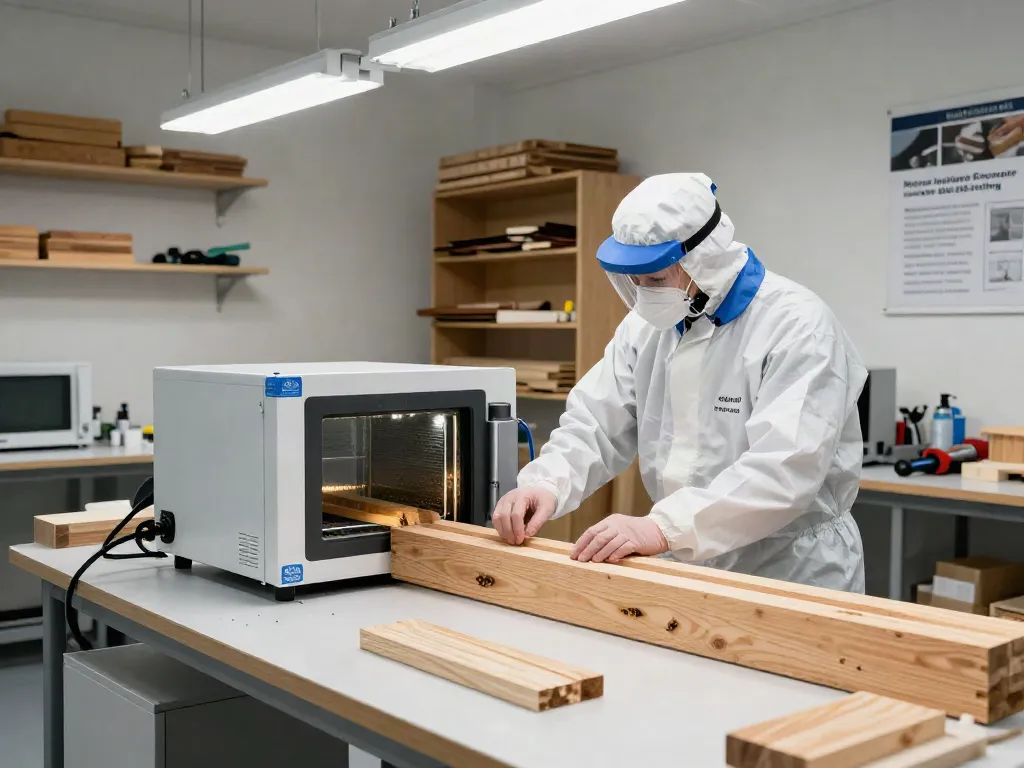
Microwave treatment leverages the unique properties of microwave radiation to penetrate and kill wood-boring insects and their larvae. When the microwave energy interacts with the wood, it heats the infested material evenly, causing dehydration and cellular breakdown in pests. Importantly, this technology ensures that the wooden structures themselves are not adversely affected, providing a safe and effective extermination method.
Benefits of Using SHASHEL® Equipment
- Speed: Eliminate pests in just minutes, drastically reducing downtime.
- Safety: Chemical-free treatment protects both users and the environment.
- Versatility: Effective on various wood types, including hidden wood and metal elements.
- Quality: Maintains the integrity of wooden materials without damaging them.
Comparative Analysis: SHASHEL® vs. Traditional Methods
When comparing SHASHEL® technology to traditional chemical methods, the former stands out in numerous ways. Traditional methods often involve the application of toxic chemicals that can linger in the environment and required multiple treatments. In contrast, SHASHEL® provides a one-time treatment solution that is both quick and efficient. This not only saves time but also minimizes health risks associated with prolonged chemical exposure.
Choosing the Right SHASHEL® Equipment for Your Needs
Different Models and Their Specifications
SHASHEL® offers a range of models tailored for various applications, from residential to industrial use. Key models include:
- SHASHEL® Basic: Ideal for small infestations in residential applications.
- SHASHEL® PRO: Designed for large-scale operations and capable of handling more severe infestations.
- SHASHEL® Industrial: Suitable for warehouses and commercial applications with extensive wood storage.
Factors to Consider When Selecting Equipment
When choosing a SHASHEL® model, consider the type of wood, the extent of the infestation, and the specific environment in which the equipment will be used. Additionally, evaluate the ease of use and safety features to ensure effective and secure treatment.
Real-World Applications of SHASHEL® Devices
SHASHEL® devices have been utilized effectively in various scenarios, ranging from residential homes plagued by woodworm to industrial warehouses storing valuable wooden materials. Each application highlights the adaptability and efficiency of microwave technology in pest control.
Implementation Strategies for Effective Wood Treatment
Step-by-Step Guide to Using SHASHEL®
- Assessment: Identify and assess the extent of the infestation.
- Preparation: Prepare the work area, ensuring safety by removing non-target materials.
- Application: Operate the SHASHEL® device following the manufacturer's guidelines.
- Monitoring: After treatment, monitor the area for signs of re-infestation.
Safety Protocols and Best Practices
Even when using a technology that is considered safe, it’s essential to follow best practices. This includes wearing appropriate personal protective equipment (PPE), ensuring proper ventilation in the treatment area, and adhering strictly to the operational guidelines provided by SHASHEL®.
Monitoring and Measuring Treatment Success
Post-treatment monitoring is crucial to assess the efficacy of the SHASHEL® equipment. This can involve checking for any visible signs of pest activity and using detection tools to ensure complete eradication.
Future Trends in Pest Control Technology
Emerging Innovations in Wood Treatment
The pest control industry is evolving, with technology playing a pivotal role in developing more effective and sustainable treatment options. Emerging innovations include enhanced monitoring systems that leverage AI to predict pest infestations and advanced materials that provide physical barriers against wood-boring pests.
Predictions for the Pest Control Industry in 2026
By 2026, it is expected that the demand for eco-friendly pest control methods will continue to grow. Innovations like SHASHEL® are likely to lead the market, especially as consumers become more conscious of the environmental impacts of chemical treatments.
How SHASHEL® Plans to Stay Ahead
To remain competitive in a rapidly evolving market, SHASHEL® is committed to continuous research and development. Emphasizing user feedback and technological advancements, the company aims to enhance the efficacy and efficiency of their offerings while assuring customers of their safety and reliability.
What are the benefits of using SHASHEL® for wood treatment?
Utilizing SHASHEL® technology provides immediate benefits, including fast pest elimination without the use of harmful chemicals, thus ensuring a safe environment for both humans and pets. Its ability to penetrate various wood types and effectively treat hidden infestations further enhances its appeal.
How does microwave treatment compare to chemical methods?
Microwave treatment stands out due to its rapid action and lack of residual chemical exposure. Unlike traditional chemical treatments, which may require repeated applications and pose health risks, SHASHEL® offers a one-time solution with minimal environmental impact.
Can SHASHEL® equipment be used in residential settings?
Yes, SHASHEL® equipment is designed for versatility and can be safely used in residential settings. Its user-friendly design allows homeowners to tackle wood-boring insect infestations effectively, ensuring the preservation of their property.
What safety measures should be followed when using SHASHEL®?
Safety measures include wearing appropriate PPE, ensuring proper ventilation in the treated area, and strictly adhering to the manufacturer’s operating instructions. By following these precautions, users can effectively minimize any risks while maximizing treatment efficiency.
What is the effectiveness of SHASHEL® over time?
SHASHEL® technology has demonstrated long-lasting effectiveness in eliminating wood-boring insects. Regular monitoring and prompt response to any signs of re-infestation can further ensure sustained pest control, making it a formidable tool in the pest management arsenal.