Understanding Containerized Wastewater Treatment Systems
Wastewater treatment remains a critical aspect of environmental management, particularly as global populations and industries expand. The need for effective treatment solutions has led to the rise of numerous Wastewater Treatment System Manufacturers, among which containerized systems have gained significant traction. These systems offer flexibility and efficiency, making them ideal for various applications, from domestic wastewater disposal to the management of complex industrial effluents.
Introduction to Wastewater Treatment System Manufacturers
Wastewater treatment system manufacturers are responsible for developing technology and solutions that convert harmful waste into safe, reusable water. Their efforts are crucial in combating pollution, adhering to regulatory standards, and ensuring public health. Manufacturers employ different technologies tailored to specific treatment needs, influencing the choice of systems for residential, commercial, and industrial applications.
Key Components of Containerized Systems
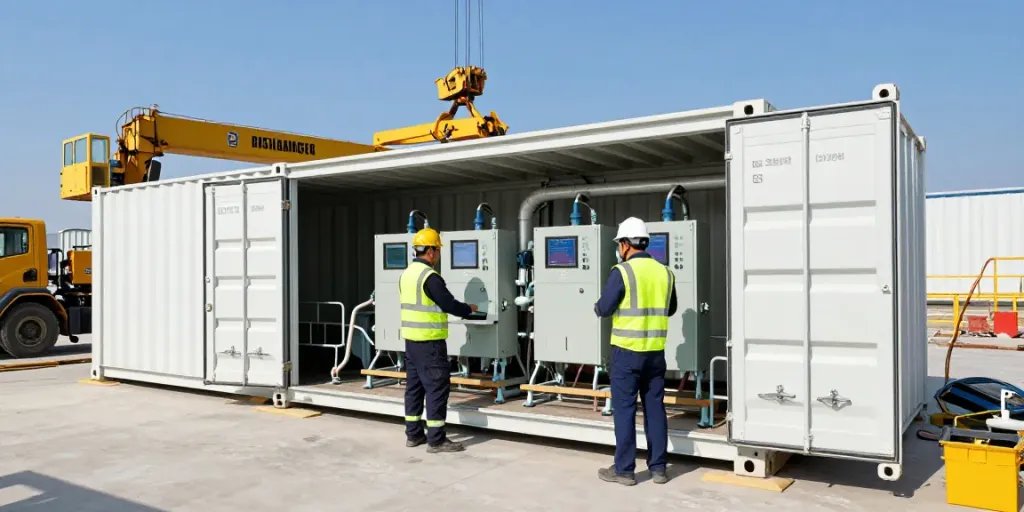
Containerized wastewater treatment systems are innovative solutions housed within standard shipping containers. This design facilitates rapid deployment and ease of transport. Key components often include:
- Pre-treatment Units: Grinders and screens that remove large solids.
- Biological Treatment Modules: Aerobic and anaerobic processes that break down organic matter.
- Filtration Systems: Technologies such as membranes or sand filters that polish the treated effluent.
- Control Systems: Automated monitoring and control systems that optimize operations.
Advantages of Modular Wastewater Treatment Solutions
Modular wastewater treatment solutions, particularly those that are containerized, offer a plethora of advantages that cater to the evolving demands of both consumers and industries. These advantages can significantly impact operational efficiency and compliance with environmental regulations.
Rapid Deployment and Flexibility
One of the standout features of containerized systems is their ability to be deployed quickly. Transportation typically requires only a flatbed truck and a crane, with assembly on-site taking just one to two days. This rapid deployment makes them especially valuable in emergency situations or projects with tight deadlines. Furthermore, their modular nature allows for scalability; additional units can be added as treatment needs grow.
Cost-Effectiveness Compared to Traditional Systems
Containerized wastewater treatment systems often prove to be more cost-effective than traditional, fixed installations. The pre-engineered nature of these units reduces the need for extensive site preparation and civil works, significantly lowering installation costs. Companies can allocate resources more efficiently, which is critical in various industries facing tight budgets.
Environmental Benefits and Compliance
The environmental benefits of containerized systems are substantial. They support sustainability goals by enabling decentralized wastewater treatment, thus reducing the need for extensive sewer networks. Additionally, manufacturers design these systems to comply with stringent local and international environmental regulations, ensuring that discharged effluent meets or exceeds quality standards.
Challenges in Wastewater Treatment System Manufacturing
Despite their benefits, the manufacturing of wastewater treatment systems, especially containerized models, is not without challenges. Manufacturers must navigate technical, regulatory, and market obstacles to stay competitive.
Common Misconceptions About Containerized Systems
Many people assume that containerized systems are only suitable for temporary or small-scale applications. However, these misconceptions overlook their versatility and effectiveness in serving larger municipal and industrial needs. Containerized systems can handle significant volumes of wastewater while providing high-quality treatment outcomes, making them suitable for a range of settings.
Regulatory Hurdles and Industry Standards
Manufacturers face myriad regulatory hurdles that can complicate the design and distribution of wastewater treatment systems. Regulations vary widely by region and application, requiring manufacturers to stay updated on local standards and practices. Non-compliance can lead to costly fines and project delays, emphasizing the need for thorough product knowledge and industry expertise.
Technological Limitations and Innovations
As technologies evolve, so do the expectations from wastewater treatment systems. Manufacturers must invest in R&D to enhance treatment efficiency and system longevity. Innovations in sensor technology, bioreactors, and membrane filtration are just a few areas where advancements can significantly improve system performance. Overcoming technological limitations is a continuous challenge that requires commitment and foresight.
Best Practices for Selecting a Manufacturer
Choosing the right manufacturer for wastewater treatment systems is crucial for the success of any project. Stakeholders must adopt a comprehensive evaluation approach to make informed decisions.
Evaluating Experience and Expertise
When selecting a manufacturer, it's essential to evaluate their experience and expertise in the field. Look for companies with a proven track record in delivering robust solutions tailored to specific needs. An experienced manufacturer will have insight into best practices and the latest technological advancements, ensuring optimal outcomes.
Understanding Customer Reviews and Testimonials
Customer feedback is a vital resource when assessing manufacturers. Reviews and testimonials can provide insight into the reliability of the systems and the quality of support services. Engaging with previous clients can also yield valuable information about the system's performance in real-world applications.
Comparative Analysis of Key Competitors
A comparative analysis of different manufacturers can highlight key differentiators. Look for features such as warranty offerings, support services, and system upgrades. Evaluating competitors will help identify which company best aligns with your specific needs and budget.
Future Trends in Wastewater Treatment Manufacturing
The wastewater treatment industry is poised for significant innovation and adaptation as environmental concerns grow and technology evolves. Understanding future trends can serve as a roadmap for stakeholders.
Emerging Technologies for 2026
By 2026, advancements in AI and machine learning are expected to shape the wastewater treatment landscape. These technologies can optimize plant operations by predicting maintenance needs and improving energy efficiency. Moreover, advancements in wastewater recycling technology will further enhance water sustainability, allowing for greater reuse in industrial and agricultural applications.
Shifts in Industry Regulations and Standards
As global awareness of environmental issues continues to rise, expect regulatory standards to become more stringent. Manufacturers will need to comply with evolving guidelines concerning water quality and operational sustainability. Staying ahead of regulatory requirements will be critical for maintaining market leadership.
Market Insights and Predictions
Market insights for the next few years indicate a growing demand for decentralized wastewater treatment systems. As urbanization increases, the need for effective on-site treatment solutions will rise. This trend presents significant opportunities for containerized system manufacturers who can provide compliant, efficient, and sustainable solutions to diverse industries.
What are the top 10 largest wastewater treatment plants in the USA?
The United States is home to some of the world’s largest wastewater treatment plants, including facilities like the Hyperion Treatment Plant in Los Angeles and the Stickney Water Reclamation Plant in Chicago. These plants serve significant populations and utilize advanced technologies to ensure effective treatment and sustainability.
Who are the largest water treatment companies?
Major players in the water treatment industry include companies like Veolia, SUEZ, and Xylem, each offering a range of solutions from waste management to water treatment technologies. These organizations are integral to advancing industry practices and compliance with environmental regulations.
What are some popular brands of wastewater pumps?
Leading brands such as Grundfos, Flygt, and Gorman-Rupp offer reliable wastewater pump solutions that cater to various application needs, from residential to industrial systems. Selecting the appropriate pump is vital for the efficient operation of any wastewater treatment system.
What is the best sewage treatment system?
The best sewage treatment system depends on specific requirements, including capacity, space, and treatment objectives. However, advanced technologies like membrane bioreactors (MBRs) or aerobic treatment units (ATUs) often productively meet various demands in contemporary wastewater management.
What advancements are being made in wastewater treatment technology?
Current advancements in wastewater treatment technology focus on increasing efficiency and reducing environmental impact. Research is ongoing into microalgal systems for nutrient removal and hybrid treatment methods that combine biological and chemical processes to enhance overall treatment efficacy.