
The Saturation of Live-Service Game Markets

Live-service games, which provide ongoing content updates and player engagement, were once hailed as the future of gaming. However, the market has seen a notable decline in many of these titles over time. Understanding the reasons behind this decline is essential for both developers and players. One of the primary factors contributing to this decline is the saturation of live-service game markets.
Increased Competition Among Titles
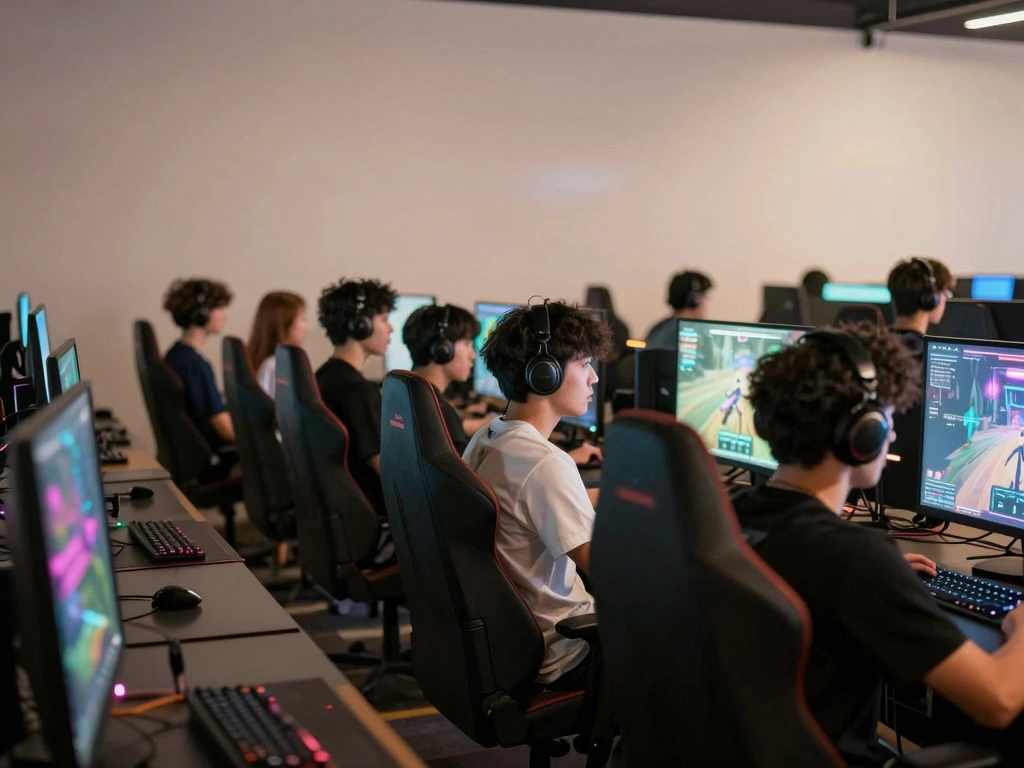
The rise of live-service games has led to an explosion of titles in this genre. Major releases such as Fortnite, Destiny 2, and Apex Legends have not only captured significant player bases but have also set high standards for gameplay, graphics, and content delivery. This saturation has resulted in intense competition among developers to attract and retain players.
For instance, in 2020, the live-service title Fall Guys rapidly gained popularity, attracting over 10 million players within its first two months. However, as more titles entered the fray, the player base became fragmented, and many games struggled to maintain active communities. Developers now face the challenge of differentiating their offerings in a crowded market, and even the most innovative games can quickly fade into obscurity.
Market Fatigue and Player Expectations
As the number of live-service games increases, so does player fatigue. Gamers often juggle multiple titles, leading to a sense of overwhelming choice. This saturation can lead to market fatigue, where players become disillusioned with the constant influx of new games and updates. In 2021, a survey conducted by Newzoo indicated that 56% of players felt overwhelmed by the number of live-service games available, leading to declining engagement across the board.
Moreover, player expectations have shifted. With so many options, players demand high-quality content and frequent updates. If a game fails to meet these expectations, players are quick to abandon it for newer titles. This cycle of high expectations and subsequent disappointment is a key reason behind the decline of many live-service games.
The Impact of Seasonal Content Overload
Seasonal content has become a staple in live-service games, providing players with fresh experiences and limited-time events. However, this model can backfire, leading to content overload. When games bombard players with too much content too quickly, it can diminish the value of each update.
For example, in Call of Duty: Warzone, the introduction of seasons has resulted in a flood of new weapons, maps, and game modes. While this approach aims to keep players engaged, it has led to a fragmented experience where players struggle to keep up with the changes. As a result, many players feel overwhelmed and choose to step away from the game altogether, contributing to its decline.
Player Engagement and Retention Challenges
Another critical factor in the decline of live-service games is the challenge of maintaining player engagement and retention over time. As player bases fluctuate, developers must adapt to changing dynamics to keep their communities active and invested.
Declining Active User Base Over Time
Many live-service games experience an initial surge in player engagement upon launch, only to see a gradual decline in their active user base. Fallout 76 is a prime example; launched in November 2018 with great anticipation, the game attracted millions of players. However, by mid-2019, the player count had dropped significantly, with estimates suggesting a fall to below 10% of its peak player base.
This trend is not isolated to one title. According to Steam Charts, several live-service games have shown a consistent downward trajectory in active users after their initial launch periods. This decline can be attributed to a variety of factors, including gameplay stagnation, lack of meaningful updates, and competition from newer titles.
The Role of Burnout in Player Engagement
Player burnout is a significant factor in the declining engagement of live-service games. As players invest time and energy into a game, the pressure to stay current with updates and in-game events can lead to fatigue. A study by GameAnalytics in 2021 found that 42% of players reported feeling burnt out from the constant demands of live-service games.
This burnout can manifest in various ways, from reduced playtime to complete abandonment of a game. As players become weary of the grind and competitive nature of live-service titles, they often seek solace in single-player games or alternative genres, further contributing to the decline of their previously favorite live-service experiences.
Shifting Interests and Changing Demographics
The gaming demographic is continuously evolving, with new players entering the market and existing players developing new interests. As trends shift, the audience for live-service games can change dramatically. For example, the rise of mobile gaming has attracted a younger audience that may not align with traditional live-service games like World of Warcraft or Battlefield.
Additionally, the increasing popularity of indie games and narrative-driven experiences has drawn attention away from live-service models. Players seeking rich storytelling or unique gameplay mechanics may gravitate towards games that offer a complete package rather than ongoing updates, leading to a decline in the player base for many live-service titles.
Monetization Strategies and Their Consequences
Monetization strategies play a crucial role in the success and sustainability of live-service games. However, poorly executed monetization can lead to player dissatisfaction and ultimately contribute to the decline of a game.
Perception of Pay-to-Win Mechanics
Pay-to-win mechanics have become a controversial topic in live-service games. Players often feel frustrated when they perceive that others can gain advantages through monetary investments, leading to disillusionment with the game. Titles like Star Wars Battlefront II faced significant backlash due to its initial monetization strategy, which allowed players to purchase in-game advantages, resulting in a decline in player trust and engagement.
When players feel that skill and dedication are overshadowed by financial investment, they are more likely to abandon the game, leading to long-term declines in player engagement. This perception of unfairness can be detrimental to a game's reputation and longevity.
Impact of Microtransactions on Player Trust
Microtransactions are now a staple of the live-service model, but they can also erode player trust if not implemented thoughtfully. When players feel bombarded by constant prompts to spend money or perceive that content is being locked behind a paywall, their enthusiasm for the game can wane.
For instance, Marvel's Avengers encountered criticism for its reliance on microtransactions, which many players felt detracted from the overall experience. The backlash contributed to a steep decline in its player base shortly after launch, illustrating how detrimental poorly handled monetization can be to a game's success.
Devaluation of In-Game Rewards
As live-service games implement more monetization strategies, the perceived value of in-game rewards can diminish. Players may feel that items or upgrades obtained through gameplay are less meaningful when they are also available for purchase. This devaluation can lead to a lack of motivation to engage with the game’s content.
For example, in Fortnite, the introduction of purchasable skins and emotes has led some players to question the value of earning rewards through gameplay. When players perceive that they can simply buy their way to the same position as those who invest time in the game, it can result in disengagement and a decline in player loyalty.
Development and Support Limitations
Development and ongoing support are critical for the success of live-service games. However, many developers face limitations that can hinder the long-term viability of their titles.
Resource Allocation and Budget Constraints
Many game developers operate under tight budgets and resource constraints, which can significantly impact the quality and frequency of content updates. When a game struggles to generate revenue, it may lead to cutbacks in development teams and resources, ultimately affecting the player experience.
For example, Anthem, developed by BioWare, suffered from a lack of adequate resources, leading to a poorly executed live-service model. Despite initial excitement, the game's failure to deliver consistent updates and improvements ultimately resulted in its decline and eventual shutdown.
Challenges in Maintaining Content Freshness
As live-service games evolve, developers must continuously produce fresh content to keep players engaged. However, creating new and innovative content can be a daunting challenge. Many developers struggle with a lack of original ideas or the inability to deliver on promises made during marketing campaigns.
A notable example is Marvel's Avengers, which faced criticism for repetitive gameplay and uninspired updates. With a player base that quickly dwindled, the game struggled to maintain momentum in a competitive market, ultimately leading to its decline.
The Risk of Technical Debt and Bugs
Technical debt can accumulate over time, especially in live-service games that require frequent updates. As developers prioritize new content, bugs and technical issues may be overlooked, leading to a frustrating experience for players. If players encounter persistent issues, they are likely to abandon the game in search of a smoother experience elsewhere.
For instance, in Destiny 2, many players have voiced concerns over recurring bugs and performance issues. While the game has a loyal following, the ongoing technical problems have led some players to step back from the title, contributing to fluctuations in its active user base.
Community Management and Communication Breakdowns
Effective community management and communication are vital for the success of live-service games. However, many developers struggle to establish strong connections with their player bases, leading to misunderstandings and discontent.
The Importance of Player Feedback Loops
Listening to player feedback is essential for maintaining a healthy community. When developers fail to address player concerns or ignore feedback, it can create a divide between the community and the development team. This disconnect can lead to a lack of trust and ultimately contribute to the decline of the game.
For example, in the case of Fallout 76, the initial backlash over its launch and subsequent updates was exacerbated by the developers' perceived disregard for player feedback. The failure to address major concerns led many players to abandon the game, illustrating the importance of maintaining open lines of communication.
Handling Controversies and Backlash
Live-service games often face controversies and backlash from their communities. How developers handle these situations can significantly impact player retention. Ignoring issues or responding poorly can lead to a further decline in player trust and engagement.
For instance, Battlefield V faced significant backlash over its portrayal of historical events and perceived lack of authenticity. The developers struggled to navigate these controversies, leading to a decline in player interest and a diminished active user base.
Long-term Community Engagement Strategies
To foster a loyal community, developers must invest in long-term engagement strategies. This includes regular communication, community events, and transparency regarding future updates. Games that successfully maintain a strong community presence often see better retention rates.
For example, Rainbow Six Siege has maintained its player base through consistent updates and community engagement efforts. By actively involving players in discussions and addressing their concerns, the game has cultivated a loyal following, avoiding the decline seen in many other live-service titles.
Conclusion
While live-service games have ushered in a new era of ongoing player engagement and content delivery, many titles face inevitable declines due to various factors. From market saturation and player fatigue to challenges in monetization and community management, the road to sustained success is fraught with obstacles. Developers must adapt to these challenges, prioritize player feedback, and innovate continuously to keep their games alive in an ever-evolving landscape. Only through such efforts can they hope to defy the trends that have led to the decline of so many live-service games.