Understanding Bed Bug Heat Treatment
What is Bed Bug Heat Treatment?
Bed bug heat treatment is a method designed to eliminate bed bugs through the application of extreme temperatures. This technique effectively targets all life stages of bed bugs, including eggs, nymphs, and adults, by raising the ambient temperature in infested areas to levels that are lethal to the pests. Typically, the environment is heated to around 130°F to 150°F (54°C to 66°C), which not only kills bed bugs but also minimizes the likelihood of chemical residue and health risks associated with traditional pest control methods. bed bug heat treatment is recognized for its effectiveness and safety when applied correctly.
How Does Bed Bug Heat Treatment Work?
The fundamental principle behind bed bug heat treatment lies in thermal death points specific to bed bugs. When exposed to temperatures surpassing 120°F (49°C) consistently for several minutes, bed bugs become vulnerable. Professional exterminators will typically use specialized heaters that can maintain these high temperatures, effectively creating an inhospitable environment for bed bugs. This method requires careful monitoring to ensure that every infested area reaches and sustains the lethal temperature long enough to ensure complete eradication. Furthermore, it is environmentally friendly, as it does not rely on harmful chemicals.
Benefits of Bed Bug Heat Treatment
Bed bug heat treatment offers several significant advantages over traditional chemical treatments:
- Efficiency: Heat treatment can eliminate bed bugs in a single session, often within 6 to 8 hours, depending on the severity of the infestation.
- Comprehensive Treatment: It effectively kills all life stages of bed bugs, including eggs, which many chemical treatments struggle to reach.
- Reduced Chemical Dependency: This method is a non-toxic alternative, thereby reducing exposure to hazardous substances for your family and pets.
- Compatibility with Various Materials: Heat can penetrate into tiny crevices and materials where bed bugs typically hide, making it a more thorough solution.
Preparation for Bed Bug Heat Treatment
Steps to Prepare Your Home
Preparing your home for bed bug heat treatment is a crucial step that influences the overall effectiveness of the procedure. Here are the necessary steps:
- Clear Clutter: Remove unnecessary furniture, clothing, and clutter from the affected areas to allow for easier heat penetration.
- Launder Fabrics: Wash all bedding, clothing, and any removable fabric items in hot water to kill any viable bed bug eggs.
- Vacuum Thoroughly: Vacuum the infested areas before treatment to remove loose bed bugs and debris, ensuring the heat can effectively reach remaining pests.
- Remove Heat-Sensitive Items: Take out items that could be damaged by high temperatures, such as candles, electronics, plants, and important documents.
Identifying Infestation Sites
Before applying heat treatment, it's essential to identify all possible infestation locations. Bed bugs can hide in:
- Mattresses and box springs
- Bed frames and headboards
- Cracks and crevices in walls and furniture
- Behind wallpaper and within electrical outlets
Utilizing a flashlight and magnifying glass can assist in finding bed bugs more efficiently. Additionally, you may want to consider hiring a professional to conduct a thorough inspection.
Pre-treatment Checklist
A comprehensive pre-treatment checklist ensures that all tasks are completed for the best results:
- Remove clutter from affected areas.
- Launder and dry-clean fabrics at high temperatures.
- Vacuum thoroughly and dispose of the vacuum bag immediately.
- Seal any cracks or holes in walls and furniture.
- Coordinate with your pest control professional to ensure all recommendations are followed.
Implementing Bed Bug Heat Treatment
Professional Equipment Used in Treatment
Several specialized tools and equipment are utilized during bed bug heat treatment processes:
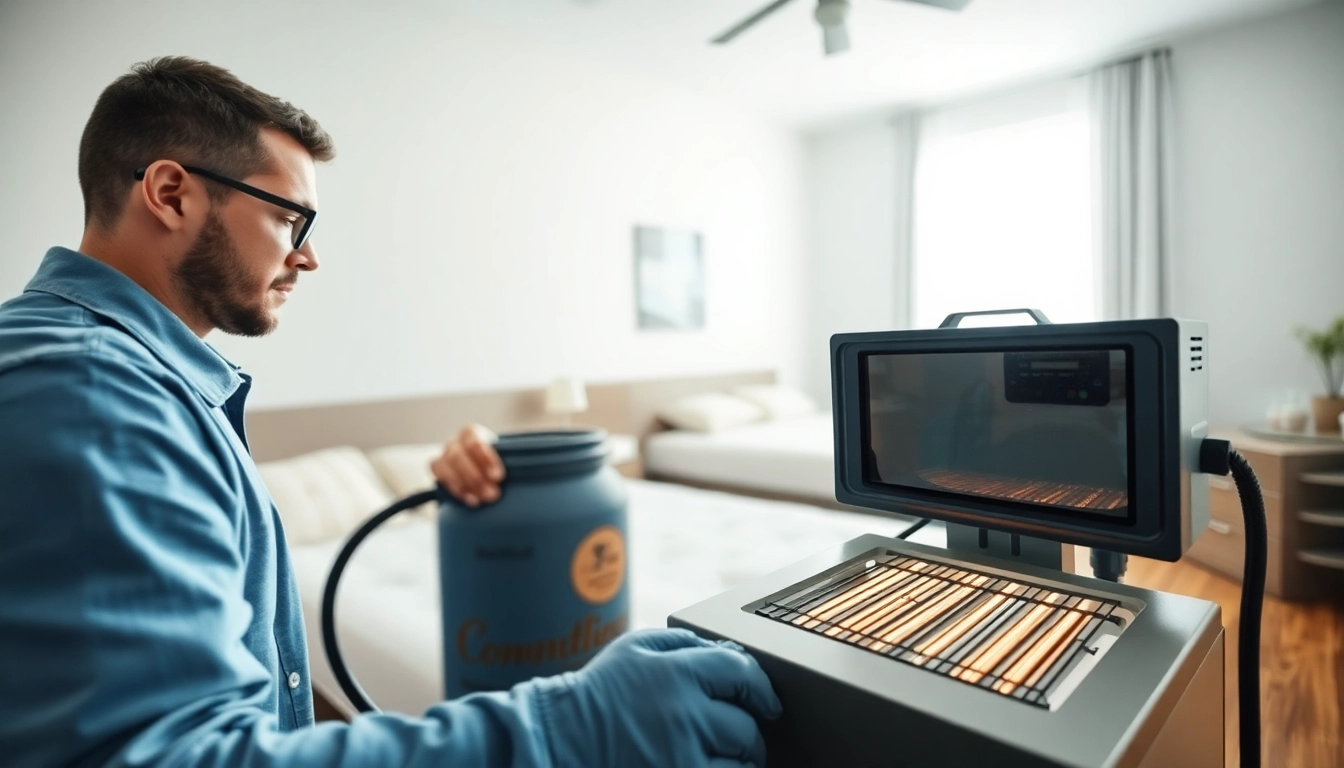
- Electric Heaters: Large, portable heaters that can raise ambient temperatures effectively throughout all infested areas.
- Thermometers: Infrared thermometers are used to monitor temperatures at various locations to ensure consistency during treatment.
- Fans: High-velocity fans enhance air circulation to promote even heat distribution, which is critical for successful extermination.
The combination of these tools ensures that the temperature remains high enough for the necessary duration to achieve extermination.
Timeframes for Effective Treatment
The duration of bed bug heat treatment varies based on several factors, including the size and severity of the infestation. Typically, treatments last between 6 to 8 hours. However, in some cases, multiple sessions might be required to ensure the pests are entirely eliminated. After treatment, homes might need to remain sealed for a certain time to maintain temperature, and the pest control professional will provide guidelines on re-entering the home safely.
Common Challenges During Treatment
While heat treatment is generally effective, there are challenges that may arise:
- Inconsistent Heating: Areas that aren’t uniform due to furniture or clutter may remain at lower temperatures, preventing complete eradication.
- Excessive Cool Areas: Certain spaces may retain cooler temperatures and require additional adjustments or treatments.
- Personal Items Left Behind: Items not removed may harbor surviving bed bugs and lead to re-infestation.
To combat these challenges, it is crucial to follow the pre-treatment checklist diligently and ensure the thoroughness of the application.
Post-Treatment Steps
Inspecting Your Home After Treatment
Post-treatment inspection is vital to assess the success of the bed bug heat treatment. Homeowners should conduct a thorough check for signs of bed bug activity, such as:
- Visible stains or spots on walls or bedding.
- Shed skins or eggs in hiding spots.
- New bites or clusters on exposed skin.
If new signs of infestation are detected, it’s advisable to contact your pest control service immediately for follow-up consultations.
Preventing Future Infestations
To prevent future bed bug infestations, homeowners can take several proactive steps:
- Regularly clean and vacuum living spaces, especially areas near beds.
- Reduce clutter to minimize potential hiding spots for bed bugs.
- Utilize protective mattress and pillow encasements to deter re-infestation.
- Inspect second-hand furniture and clothing before bringing them into the home.
When to Schedule Follow-Up Treatments
Follow-up treatments may be necessary if signs of bed bugs persist or if new infestations are suspected. Typically, a follow-up should occur 2-4 weeks after the initial treatment to ensure that all life stages have been effectively eliminated. Monitoring for the presence of live bed bugs or eggs is essential during this period to determine the need for further interventions.
Frequently Asked Questions (FAQs)
What should I do before a bed bug heat treatment?
Vacuum and remove clutter, wash bedding and clothes in hot water, and clear the area around treatment sites to prepare your home.
How long does the bed bug heat treatment take?
The treatment typically lasts between 6 to 8 hours, depending on the size of the infestation and the area being treated.
Is bed bug heat treatment safe for my family and pets?
Yes, it's a safe method as it uses no chemicals. However, it's best to vacate the premises during the process for your safety.
Can I do the heat treatment myself?
DIY methods exist, but professional treatment ensures thoroughness and effectiveness in eliminating all life stages of bed bugs.
How can I prevent bed bugs after treatment?
Regular cleaning, minimizing clutter, and sealing cracks can help prevent reinfestation. Using mattress encasements for added protection is recommended.