Understanding Pressure Vessel Design
Pressure vessel design is a crucial aspect of engineering that involves creating containers designed to hold gases or liquids at high pressures. The design process ensures safety, functionality, and compliance with various regulations and standards. Understanding the fundamentals of Pressure Vessel Design is essential for engineers, designers, and anyone involved in industrial applications where pressure vessels are commonplace. This article provides a thorough and detailed exploration of pressure vessel design, including its basics, regulatory landscape, common challenges, and much more. Pressure Vessel Design is not solely about the mechanical aspects but also encompasses safety, durability, and operational efficiency.
Basics of Pressure Vessel Design
At its core, pressure vessel design pertains to shaping a vessel that either contains or transports fluids under high pressure. The basic principles involve evaluating the vessel’s required strength and integrity, selecting suitable materials, and applying engineering codes and standards to ensure compliance. A pressure vessel must withstand internal and external pressures while remaining leak-proof.
Common Shapes and Structures
Pressure vessels can be constructed in various shapes, which directly impacts their applications and performance. The most widely recognized forms include:
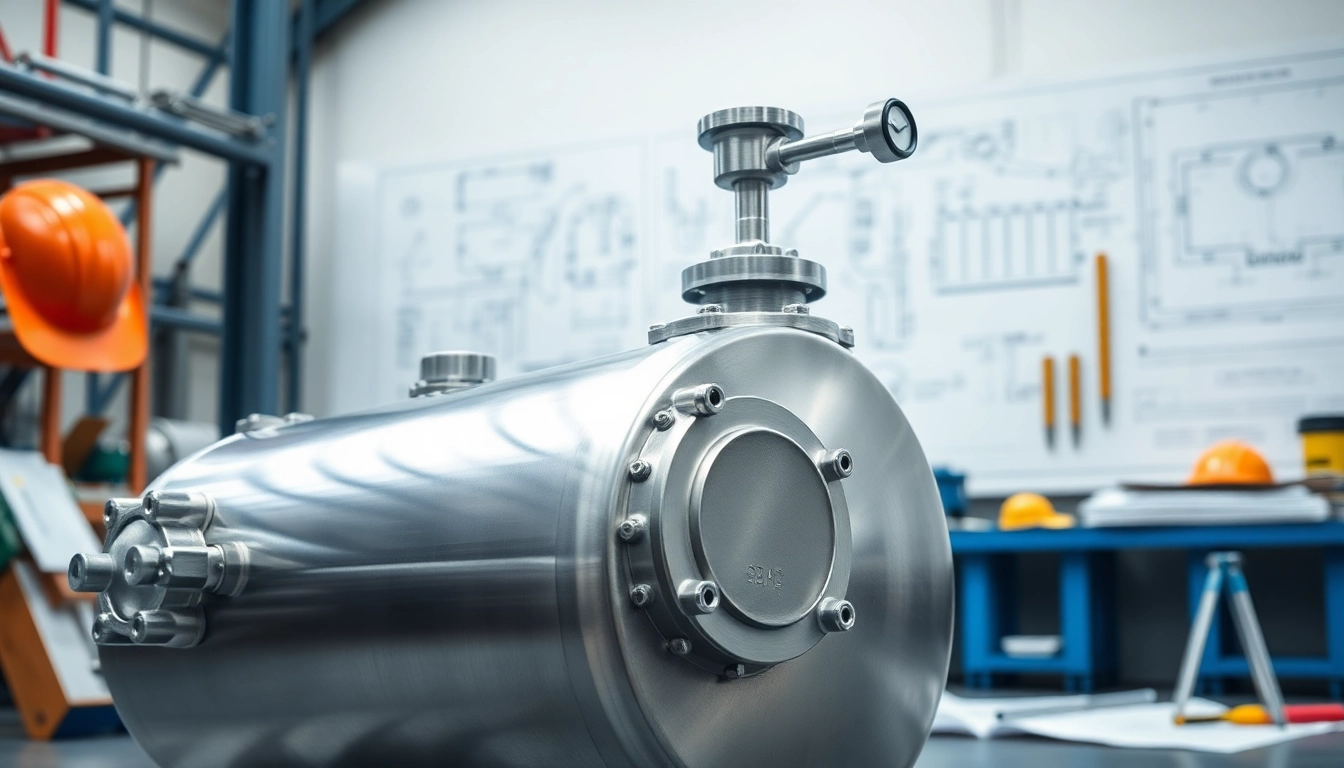
- Cylindrical Vessels: Often used for storage, these vessels efficiently handle various pressures and loads.
- Spherical Vessels: While more expensive, they offer excellent resistance to pressure, making them suitable for high-pressure applications.
- Conical Vessels: Often used in processes where the vessel needs to facilitate easy flow or separation of materials.
Each shape offers distinct advantages and is selected based on the specific needs of the application, pressure requirements, and operational conditions.
Materials Used in Pressure Vessel Design
The choice of materials is pivotal in pressure vessel design, influencing the overall strength, durability, and resistance to corrosion and high temperatures. Common materials include:
- Carbon Steel: Widely utilized due to its excellent mechanical properties and cost-effectiveness.
- Stainless Steel: Preferred for applications requiring corrosion resistance and strength at elevated temperatures.
- Composite Materials: Increasingly popular for their weight advantages and resistance to corrosive environments.
The selection process involves considering factors such as the chemical properties of the contained substance, operating temperature, and pressure ratings.
Key Regulations and Standards
ASME Code and Compliance
The American Society of Mechanical Engineers (ASME) sets stringent standards for pressure vessel design, known as the ASME Boiler and Pressure Vessel Code (BPVC). Compliance with these standards is non-negotiable in many industries, particularly oil and gas, petrochemicals, and manufacturing. The ASME code outlines:
- Material specifications.
- Design calculations to ascertain safety margins.
- Inspection and testing procedures to ensure the vessel's integrity.
Understanding and adhering to the ASME code are essential for ensuring the safety and reliability of pressure vessels.
International Standards Overview
In addition to ASME, various international standards address pressure vessel design. Organizations such as the International Organization for Standardization (ISO) and the European Committee for Standardization (CEN) provide guidelines that complement ASME standards. These guidelines focus on:
- Specifications for materials and components.
- Safety management and risk assessment procedures.
- Quality control measures throughout the design and manufacturing processes.
Collaborating with international standards enhances global market access and improves safety and efficiency in pressure vessel operations.
Safety Guidelines for Pressure Vessel Design
Safety is paramount in pressure vessel design. Following best practices can mitigate risks associated with pressure vessels. Critical guidelines include:
- Implementing safety factors in design calculations.
- Regular inspections and maintenance to identify potential fatigue or failure points.
- Utilizing advanced simulation tools for stress analysis and performance forecasting.
By adhering to these guidelines, companies can maintain operational safety and prolong the lifespan of their pressure vessels.
Design Challenges and Solutions
Addressing Common Design Issues
Designing pressure vessels involves navigating numerous challenges, including material selection, stress distribution, and regulatory compliance. Common issues faced include:
- Corrosion Resistance: Selecting materials and coatings that withstand corrosive substances and conditions can minimize failures.
- Pressure Fluctuations: Designing vessels to accommodate sudden pressure changes requires engineering precision and forecasts.
- Welding Defects: Welding is a critical aspect; however, defects can occur that compromise the vessel's safety. Regular inspections are necessary.
Resolving these challenges often involves integrating advanced design software and ongoing training for engineering teams.
Innovation in Pressure Vessel Design
As technology advances, new methods and materials are emerging to enhance pressure vessel design. Notable innovations include:
- 3D Printing: Facilitates rapid prototyping of complex shapes, reducing lead times.
- Advanced Composite Materials: Provide high strength-to-weight ratios and improved corrosion resistance, ideal for specialized applications.
- Smart Sensors: Implementing IoT devices for real-time monitoring of pressure, temperature, and structural integrity to enhance safety and maintenance strategies.
These innovations create opportunities for enhanced performance and reliability of pressure vessels in various industries.
Case Studies of Successful Designs
Numerous case studies illustrate successful pressure vessel design practices that prioritize safety and efficacy. Examples include:
- A chemical manufacturing plant redesigning its storage vessels to use composites instead of steel, resulting in a significant weight reduction and compliance with new environmental regulations.
- A brewery implementing automated monitoring systems in their fermentation vessels, leading to improved product consistency and reduced operational downtime.
- Refineries enhancing their cracking processes through the use of *cylindrical* pressure vessels that minimized thermal stress.
These cases underline the importance of innovation, effective design methodologies, and compliance with safety regulations.
Implementation of Pressure Vessel Design
Steps for Effective Design Implementation
Implementing pressure vessel designs requires a systematic approach to ensure all aspects of safety, materials, and performance are considered. Steps include:
- Determine operational requirements and environmental conditions.
- Select appropriate materials based on the contained substances.
- Use advanced design tools and software for simulations.
- Perform rigorous testing to validate the design before production.
- Ensure compliance with relevant standards throughout all phases.
Each step is critical to ensuring the final product meets operational demands and safety criteria.
Software Tools for Pressure Vessel Design
Several software tools are available to aid in the design and analysis of pressure vessels. Leading tools include:
- PVE Software: For calculating stress, strain, and code compliance.
- CAD Software: Such as AutoCAD or SolidWorks for 3D modeling and simulations.
- Finite Element Analysis (FEA): For assessing structural integrity under various conditions and loads.
Utilizing these software tools significantly enhances accuracy and efficiency in design processes.
Collaboration Between Engineers and Designers
A successful pressure vessel design relies heavily on collaboration among different disciplines, including mechanical, materials, and design engineers. Effective collaboration entails:
- Regular communication throughout the design process, ensuring alignment on objectives.
- Involving all stakeholders early in the project to gather diverse insights and feedback.
- Utilizing collaborative tools for design reviews and assessments, ensuring transparency and documentation.
By fostering a collaborative environment, teams can overcome challenges and enhance design outcomes.
Evaluation and Maintenance of Pressure Vessels
Testing Methods for Pressure Vessels
After design and installation, systematic testing methods are imperative to ensure the safety and functionality of pressure vessels. Common testing methods include:
- Hydrostatic Testing: Involves filling the vessel with water and pressurizing to check for leaks and structural integrity.
- Pneumatic Testing: Similar to hydrostatic but uses air or gases, usually reserved for smaller vessels due to the risks involved.
- Nondestructive Testing (NDT): Techniques like ultrasonic testing, magnetic particle inspection, and radiographic testing help identify flaws without damaging the vessel.
Proper adoption of these testing methods ensures compliance with safety standards and enhances operational reliability.
Regular Maintenance Practices
Regular maintenance is essential in prolonging the life of pressure vessels. Suggested maintenance practices include:
- Periodic inspections to identify signs of wear, corrosion, or structural damage.
- Employing preventive maintenance schedules based on usage to anticipate service needs.
- Maintaining accurate records of maintenance activities to facilitate compliance audits and operational assessments.
Consistent maintenance reduces risks associated with vessel failure and enhances overall operational efficiency.
Evaluating Vessel Performance Over Time
Continuous evaluation of pressure vessel performance ensures they meet operational demands and safety standards throughout their lifecycle. Key performance indicators include:
- Operational efficiency metrics, such as downtime due to failures.
- Regular assessment of corrosion rates to anticipate replacement or refurbishment needs.
- Compliance with regulatory inspections and audits to maintain operational licenses.
Monitoring these metrics enables proactive management of pressure vessel lifecycles, ensuring safety and performance standards are consistently met.
Frequently Asked Questions
What is the basic pressure vessel design?
A pressure vessel can be built in any shape, but cylindrical is common. A basic design often includes a cylinder closed with hemispherical endcaps, maximizing strength and minimizing stress points.
What is the ASME standard for pressure vessels?
The ASME Boiler and Pressure Vessel Code (BPVC) outlines essential regulations for the design, manufacturing, inspection, and testing of pressure vessels, ensuring safety and reliability.
How often should pressure vessels be inspected?
Inspection frequencies depend on regulatory standards, but typically, vessels should undergo thorough inspections at least annually, with additional checks during maintenance to ensure ongoing safety.
Which software is suitable for pressure vessel design?
Software like CAD tools, PVE software for code compliance, and finite element analysis (FEA) tools are commonly used for designing and validating pressure vessels effectively and efficiently.
What materials are used in pressure vessel construction?
Common materials include carbon steel, stainless steel for corrosion resistance, and increasingly composite materials for specific applications where weight and durability are critical.